What Are My Best Options To Eliminate Skin Tags?
Skin tags, on the various other hand, are uncommon after the seventh years of life. These sores tend to expand in areas with skin folds, such as the axilla, neck, eyelids, and groin (see Photos. Skin Labels on the Neck and Skin Identifies in the Axilla). The lesions are skin-colored, brownish, or red ovoid developments that are commonly pedunculated and affixed to a fleshy stalk.Skin tag removal is mostly a low-risk office-based treatment. Nonetheless, the lesion often freely hemorrhages when removed, calling for pressure and monitoring throughout the procedure. On occasion, coagulation with silver nitrate or electrocautery is needed. In rare situations, the client may experience extreme blood loss or develop a postoperative infection. On the whole, a person must not stress way too much about skin tags. However, a person should talk to a physician if their skin tag ends up being uncomfortable, starts blood loss, gets bigger, or turns into lots of skin tags.
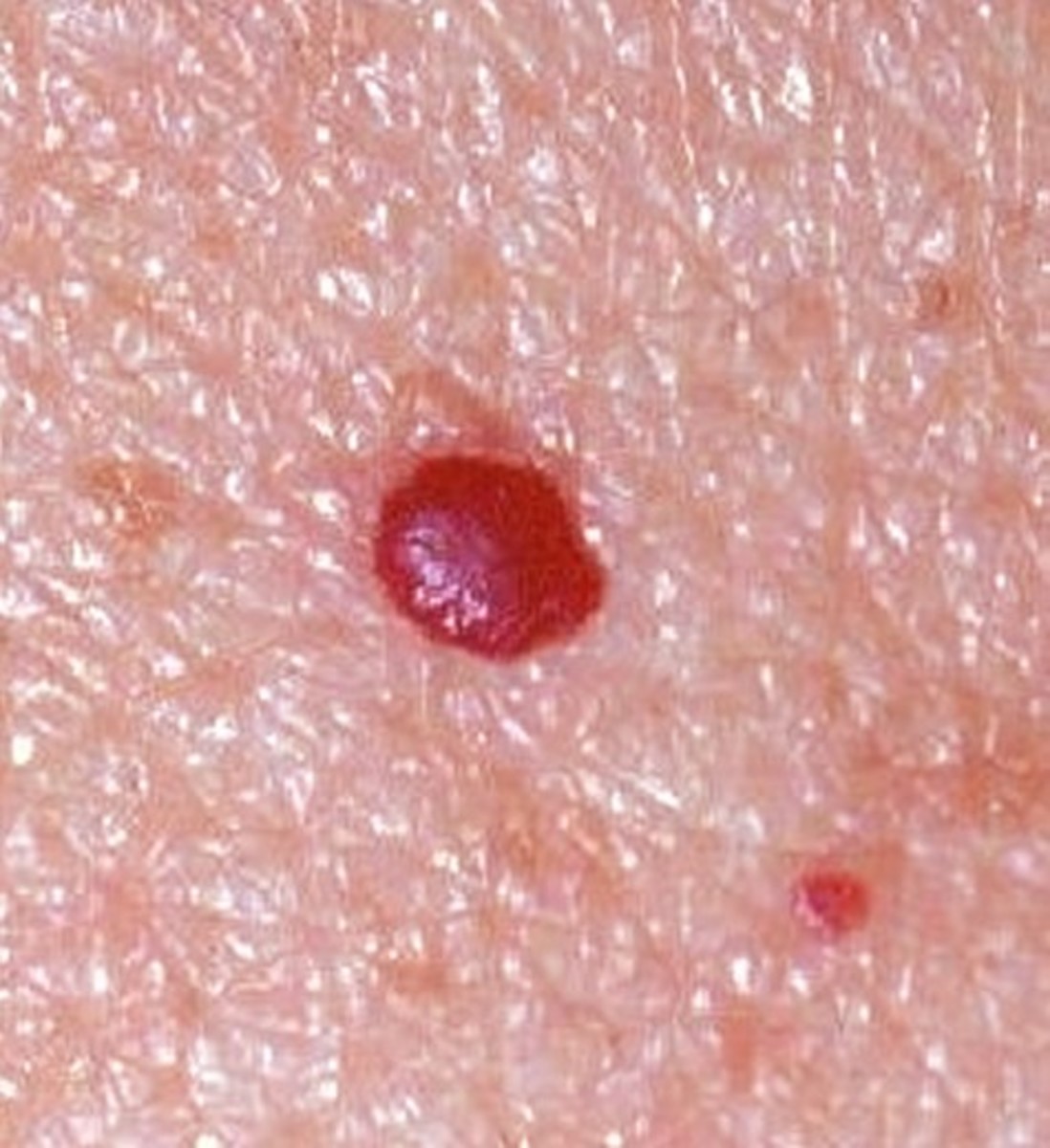
Moles
- Skin tags are small pieces of soft, hanging skin that may have a peduncle, or stalk.Relying on the dimension and location, choices consist of precise surgical excision, radiofrequency removal, or minimally intrusive strategies.Removal of skin tags is a simple treatment when carried out by experienced medical professionals.Many individuals try to remove them at home, which is a bad idea.
We run a number of specialized centers for different problems. The UPMC Cosmetic Surgery and Skin Health Center is a thorough dermatologic laser center, using a complete range of aesthetic services and procedures. With UPMC Hillman Cancer Cells Center, we offer a Skin Cancer cells Program that supplies total care from screenings, medical diagnosis, therapy, and beyond. If you're asking yourself how to get rid of skin tags on your own, you're not the only one. Lots of people attempt to do away with them at home, which is a bad concept.

What Are Skin Tags? (and Can You Remove Them?)
Chronic irritation from repeated rubbing, incorporated with cumulative wear and tear on the skin's surface over years, even more adds to their increased frequency in older populations. Hormonal agents do affect the development of skin tags, and this influence can become much more apparent as people age. As an example, insulin resistance and various other metabolic modifications that occasionally arise with age can motivate little outgrowths of skin as the body's cells connect growth cues in a different way.